You know what you're supposed to do. Eat a little better, cut back on the snacks, watch your portions, and get outside and move more.
But knowing what to do and actually doing it every day are two completely different things.

Maybe you're hungry again an hour after eating. Maybe 3 PM hits and your energy is gone. Or maybe nighttime rolls around and you're standing in front of the refrigerator even though you already ate dinner.
And when that keeps happening day after day, losing weight starts to feel a whole lot harder than it should.
Maybe you don't need another diet. Maybe you just need to figure out what's making the one you're already trying so hard to follow feel so difficult.
You can start the day with every intention of eating better, but somewhere along the way things start to fall apart. You're hungry when you don't think you should be, your energy drops, cravings kick in and suddenly that plan you made this morning feels a whole lot harder to stick with.
What I didn't realize for a long time is that these things aren't always separate. Your appetite, energy and blood sugar can all affect how you feel throughout the day and even what you feel like eating next.
That's why simply telling yourself to eat less doesn't always make it easier. When you're tired, hungry and craving something sweet, willpower has a pretty tough job.
These are common areas of focus for people working to better understand and manage their appetite.

Ghrelin is often called the hunger hormone. It signals the brain when it's time to eat, and levels typically rise before meals and fall after eating.

Leptin signals the brain when you've had enough to eat. When the body becomes less responsive to leptin, it can be harder to feel satisfied, even after a full meal.

Poor sleep has been linked to higher ghrelin and lower leptin levels, which can increase hunger and cravings the next day.

Stress can disrupt hunger hormone balance and increase cravings for high sugar or high fat foods, often as a way the body seeks quick energy.

Meals higher in protein and fiber tend to support feelings of fullness for longer, which can help reduce snacking and overeating throughout the day.

Beyond diet and sleep habits, many people explore additional formulas designed to support healthy hunger hormone balance as part of a broader approach to weight management.
Healthy eating and regular movement remain the foundation. GlucoRX is the daily supplement we chose to pair with those habits because it’s designed to support healthy blood sugar and glucose metabolism, two factors that can influence appetite, energy and how your body responds to food.
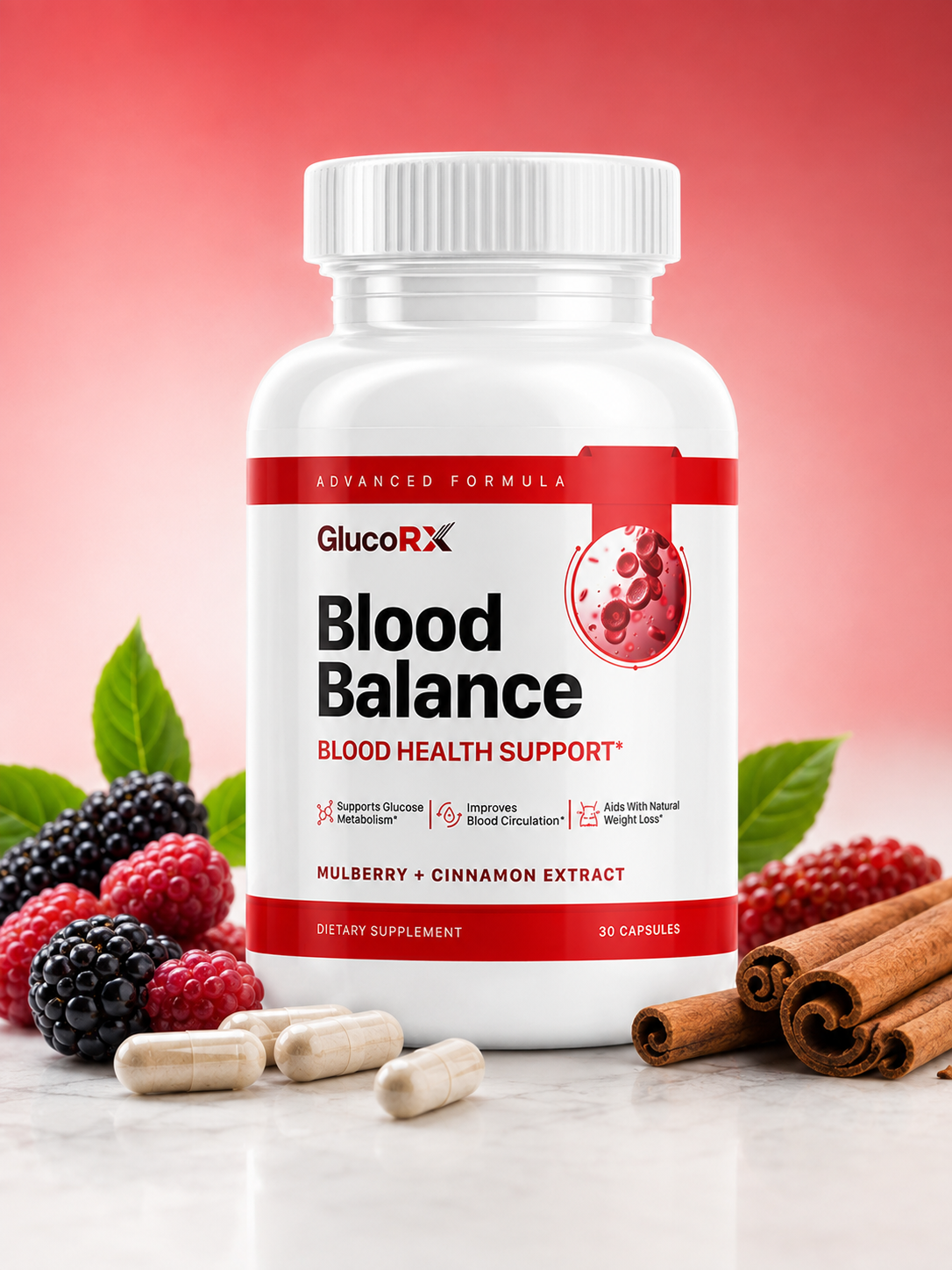
The goal isn't to take something for a few days and expect everything to change. It's to make it part of the routine you're already building and give that routine time to work.
Daily support works best when you make it part of your routine, rather than trying something for a few days and moving on.

When comparing the available packages, the six-bottle supply offers the lowest price at just $39.99 per bottle, with advertised savings of up to 40%. It requires a larger purchase upfront, but for those planning to use it consistently, it provides the best per-bottle value.
You don't have to change everything overnight. Start with a few things you can actually repeat, then build from there.
Don't overhaul your entire diet. Pick one meal you eat almost every day and make it better. Add more protein, cut back on the extras and give yourself something you can actually stick with.
Notice when you reach for food even though you recently ate. Is it actual hunger, an afternoon energy crash, stress or simply habit? You don't have to fix it yet. Start by noticing the pattern.
Keep the better meal, pay attention to those hunger triggers and start making your daily support part of the same routine. Consistency matters more than trying to be perfect for three days.
Access Your FREE Stability ChecklistSimple daily habits many adults are using to support steadier energy throughout the day.